Planning Your Sint Maarten Boat Tour
Best Time of Year for a Boat Tour
Boat tours run year-round in Sint Maarten, and the sea is warm and swimmable in every season, with air and water temperatures around 80–84°F. The dry season from December through April brings the calmest seas and the lightest rain — the most reliable conditions for the long Anguilla crossing and the snorkel cruises — along with the busiest cruise traffic. May and November are sweet spots with warm weather and thinner crowds.
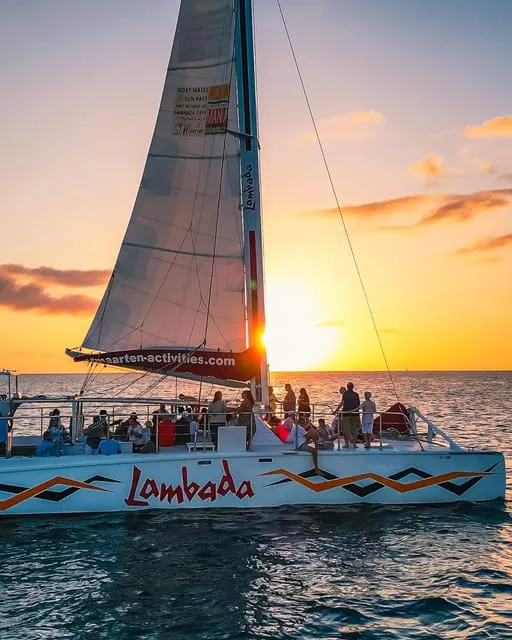
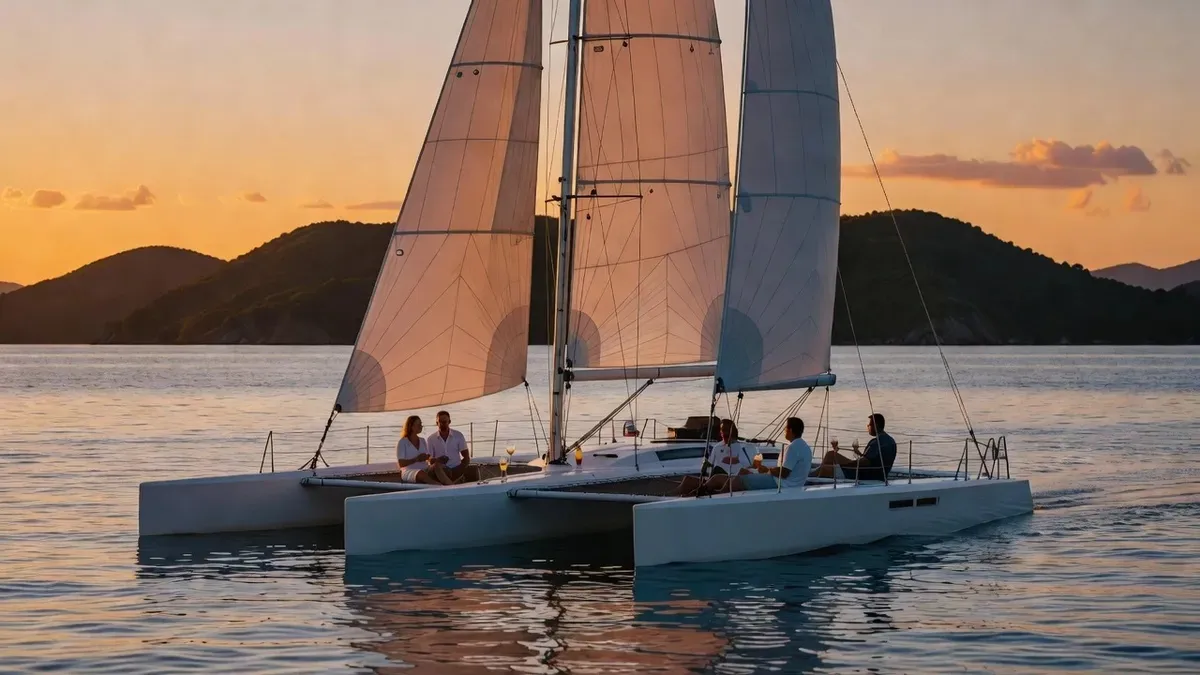
The official Atlantic hurricane season runs June through November; serious storms are uncommon on any given day, but it's the wetter, breezier stretch, and crews move or cancel boat trips around any passing weather. Morning departures generally give the calmest water; afternoons and evenings can pick up a little chop, which is why the sunset cruises stay close to the sheltered coast.
- December–April: calmest seas, driest weather, peak season
- May & November: warm water, fewer crowds
- June–November: hurricane season — breezier, watch forecasts
- Mornings: calmest water for the day-sails and crossings
Boat Tours for Cruise-Ship Passengers
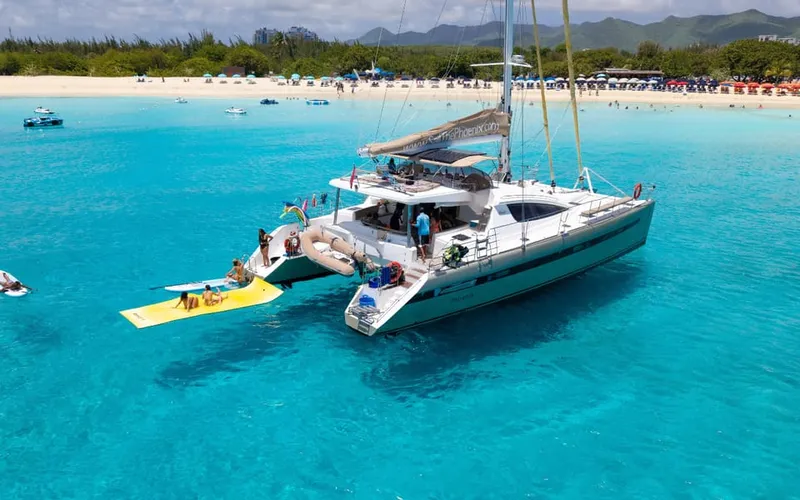
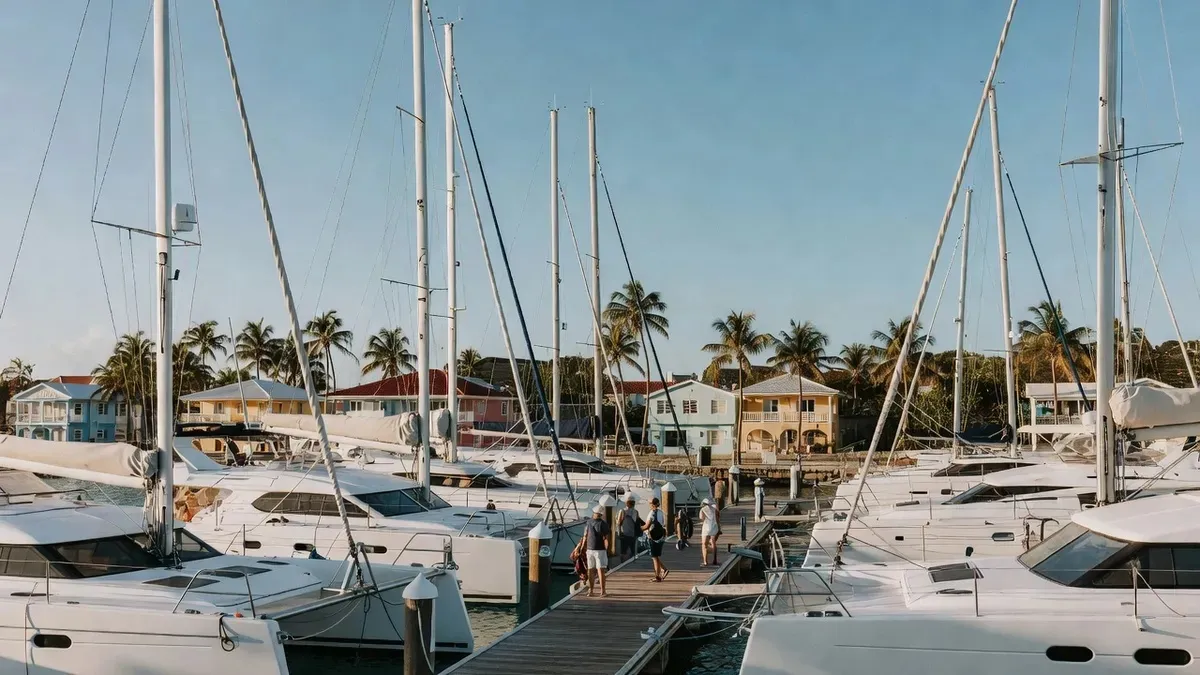
Sint Maarten is one of the Caribbean's busiest cruise ports, and a boat tour is one of the most popular shore excursions. Ships dock at the A.C. Wathey Cruise Facility in Philipsburg, a short taxi or water-taxi from the Simpson Bay marinas where most boats depart; the luxury catamaran day sail leaves from the Philipsburg side, which is the easiest to reach on a port day.
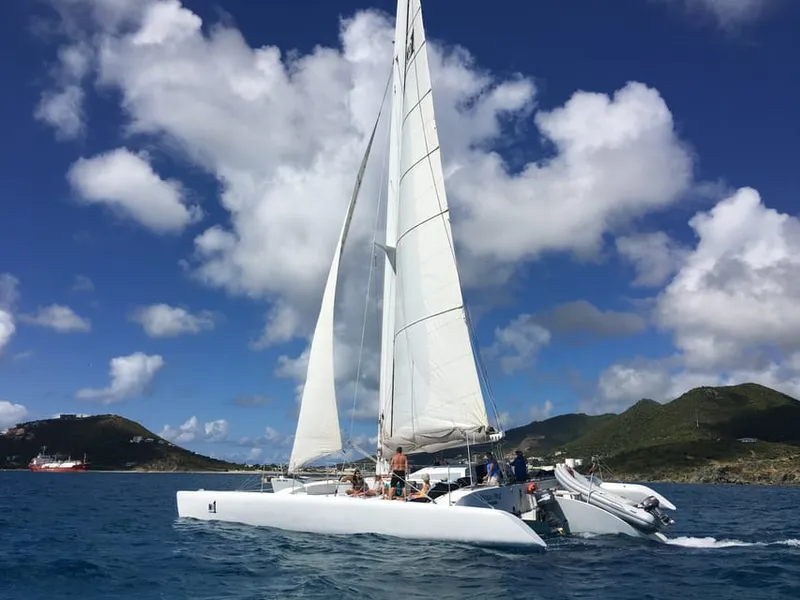
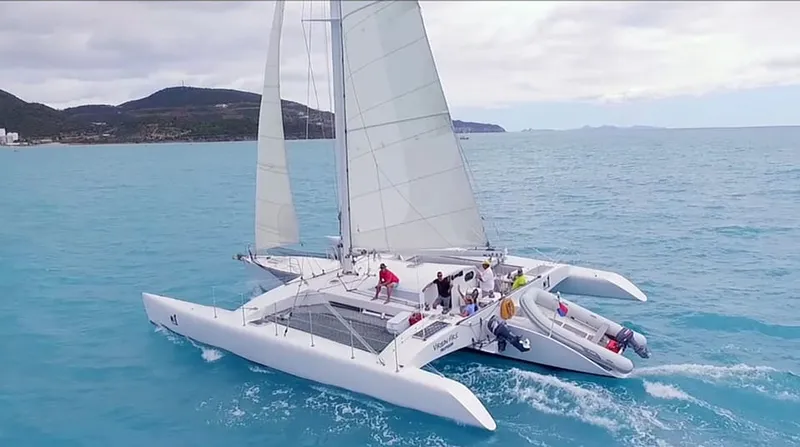
A half-day snorkel cruise or a shorter trimaran sail fits comfortably within most port calls, but the full-day Anguilla sail at seven and a half hours usually does not — leave that for a longer stay. Always give the operator your ship name and all-aboard time so they get you back to the cruise port with margin to spare.
Will I Get Seasick? Sea Conditions and Comfort
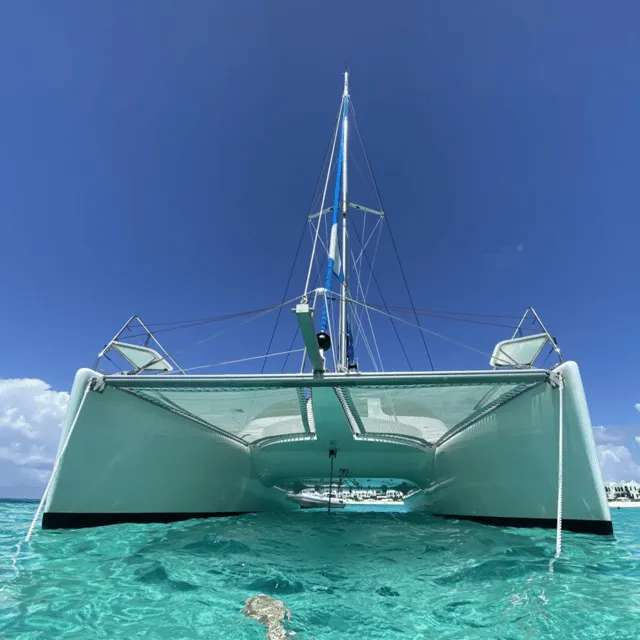
For most people the answer is no — the catamarans and trimarans featured here are wide, stable multihulls that handle the Caribbean swell far better than a monohull, and the sheltered coastal cruises stay in calm water. The one trip where conditions can be felt is the full-day crossing to Anguilla, which crosses open water and can get bumpy when the trade winds are up. If you're prone to motion sickness, take a tablet about an hour before boarding, sit toward the centre and rear of the boat where movement is least, keep your eyes on the horizon, and choose a morning departure when the sea is calmest.
The shorter sunset cruises and the snorkel trips in sheltered bays are the gentlest options of all.
- Catamarans and trimarans are very stable — far less motion than a monohull
- The Anguilla crossing is the one trip that can feel bumpy
- Take a seasickness tablet an hour before boarding if you're prone
- Sit centre-rear and watch the horizon; pick a morning departure
Snorkelling on a Sint Maarten Boat Tour
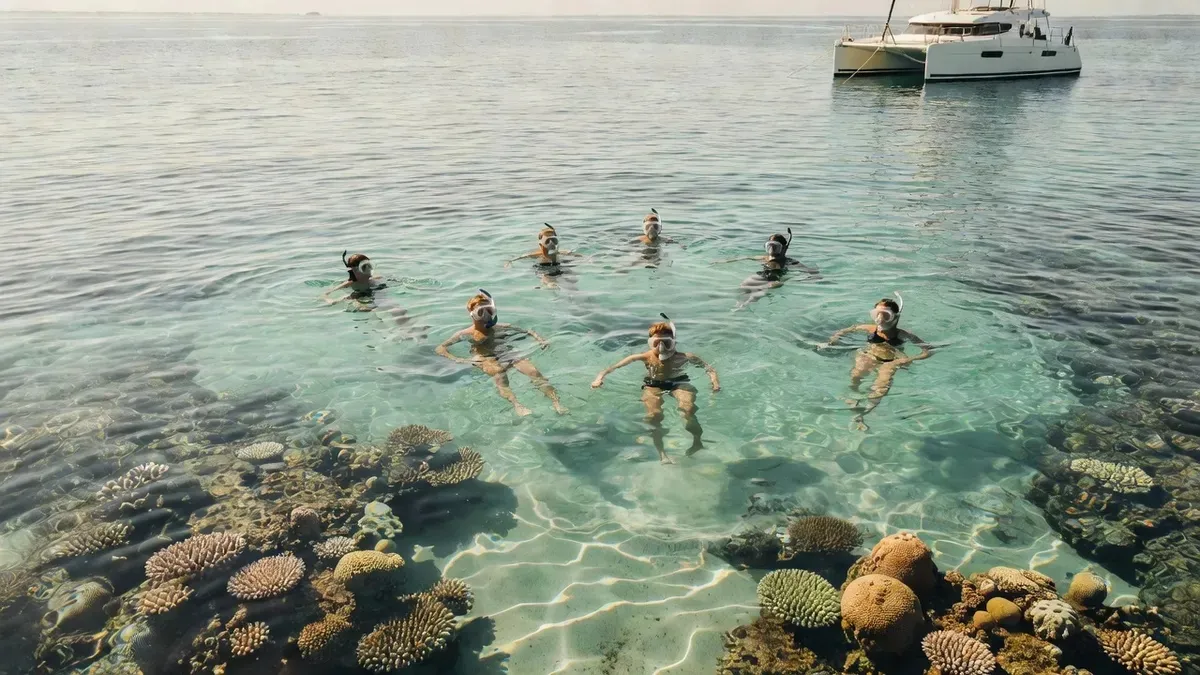
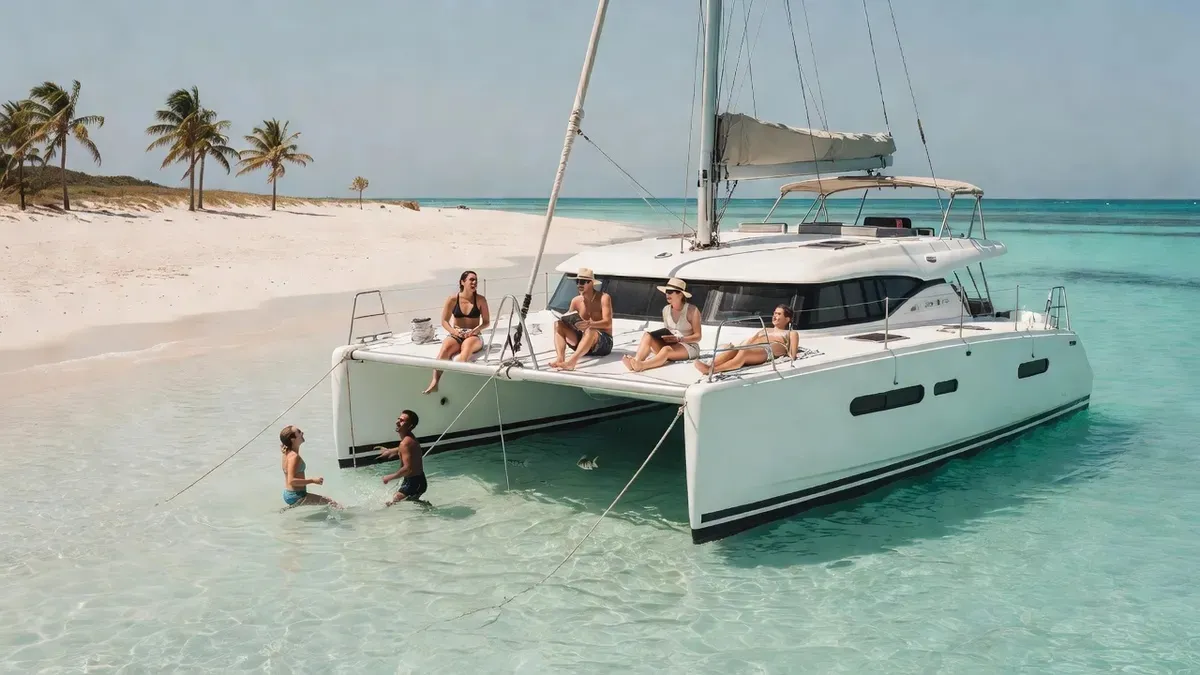
Most of the day-sails build in at least one snorkel stop, and the water around Sint Maarten and the offshore cays is warm, clear and full of life — reef fish, rays and the odd turtle over the seagrass. The Prickly Pear Cays off Anguilla and the sheltered bays along the French coast are the standout spots, with easy entry straight off the back of the boat. Snorkel gear is provided on the cruises that include it, so you don't need your own, though bringing a mask you know fits is never a bad idea.
You don't need to be a strong swimmer — the crew hands out flotation belts and keeps an eye on everyone — but if you've never snorkelled, say so when you board and the crew will get you comfortable in the shallows first.
What to Bring on a Sint Maarten Boat Tour
A boat tour is a full day in the sun and salt water, so come prepared. Wear a swimsuit under light clothing, and bring a towel, reef-safe sunscreen, sunglasses and a hat. A light cover-up or rash guard helps on the long day-sails when the sun is relentless on open deck.
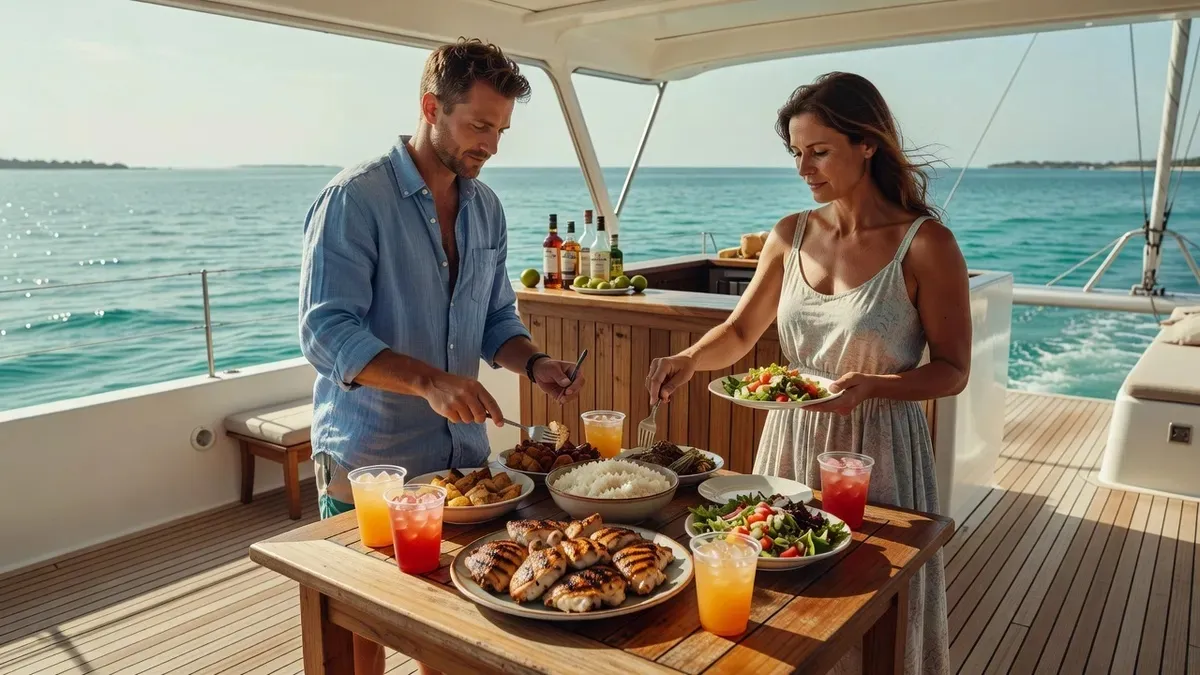
Pack a waterproof phone case or a dry bag for valuables, a little cash for tips and any extras, and a seasickness tablet if you're prone to it. Most day-sails provide snorkel gear, lunch and drinks, so there's little else to carry — leave the big bags at the hotel and travel light.
- Swimsuit under light clothing, plus a towel
- Reef-safe sunscreen, sunglasses and a hat
- Rash guard or cover-up for the open deck
- Waterproof phone case or dry bag for valuables
- Cash for tips and any extras
- Seasickness tablets if you're prone to it